

Open your Instagram feed and you’ll notice the world is reeling. Life is getting faster, sharper, and increasingly dictated by the sterile precision of an automated script. We are living in a “copy-paste” simulation where perfection is mass-produced and soul is a bug in the code, not a feature.
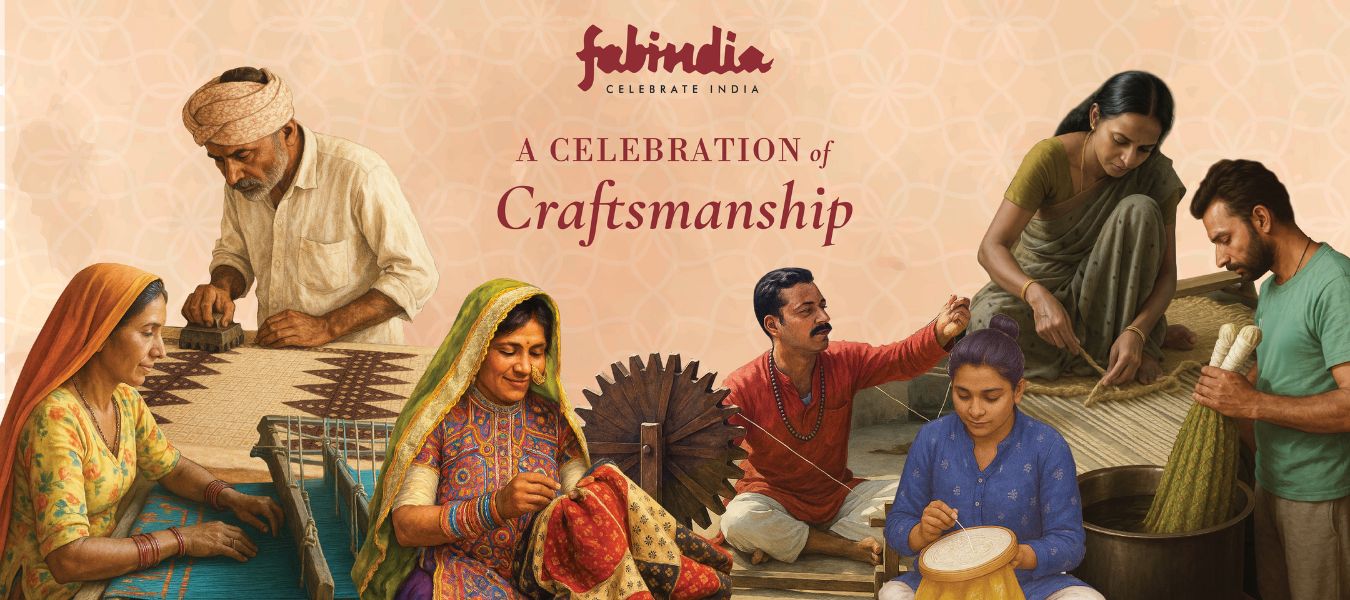
But amidst this frantic, mass-produced rush, a handcrafted sari stands still. It doesn’t scream for attention; it commands it. Indian handicrafts aren’t just “hobbies” or “souvenirs”, they are the slow, steady heartbeat of a culture that refuses to be digitized.
Handmade creations do not simply exist. They breathe. In a world of instant gratification, they are the Quiet Rebels.
Before we had Ink, we had Matter
Ahead of the time India codified its languages into scripts, it was already recording its history, in the tensile strength of fibers and the thermal properties of clay. Craft was our first dialect, a tactile data-dump of human experience spoken in thread, metal, and wood.
This wasn’t just “pretty art.” It was sophisticated engineering without a CAD file.
The Molecular Fineness of Pashmina
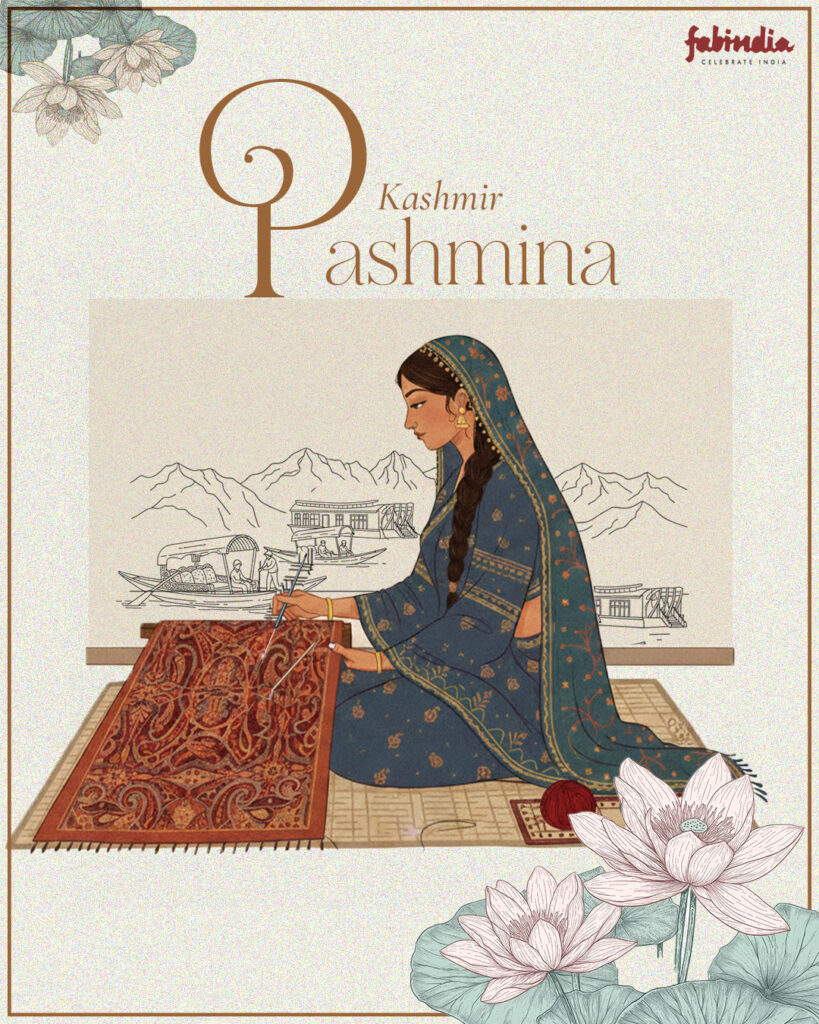
A Pashmina shawl is a feat of thermal insulation. The wool is harvested from the Changthangi goat, which survives at -40°C. Because the fiber is so fine and lacks the structural “scales” of sheep wool, it is too delicate for any machine. Every real Pashmina is a “low-tension” miracle, hand-spun on a Yinder (wooden wheel) to maintain the fiber’s integrity.
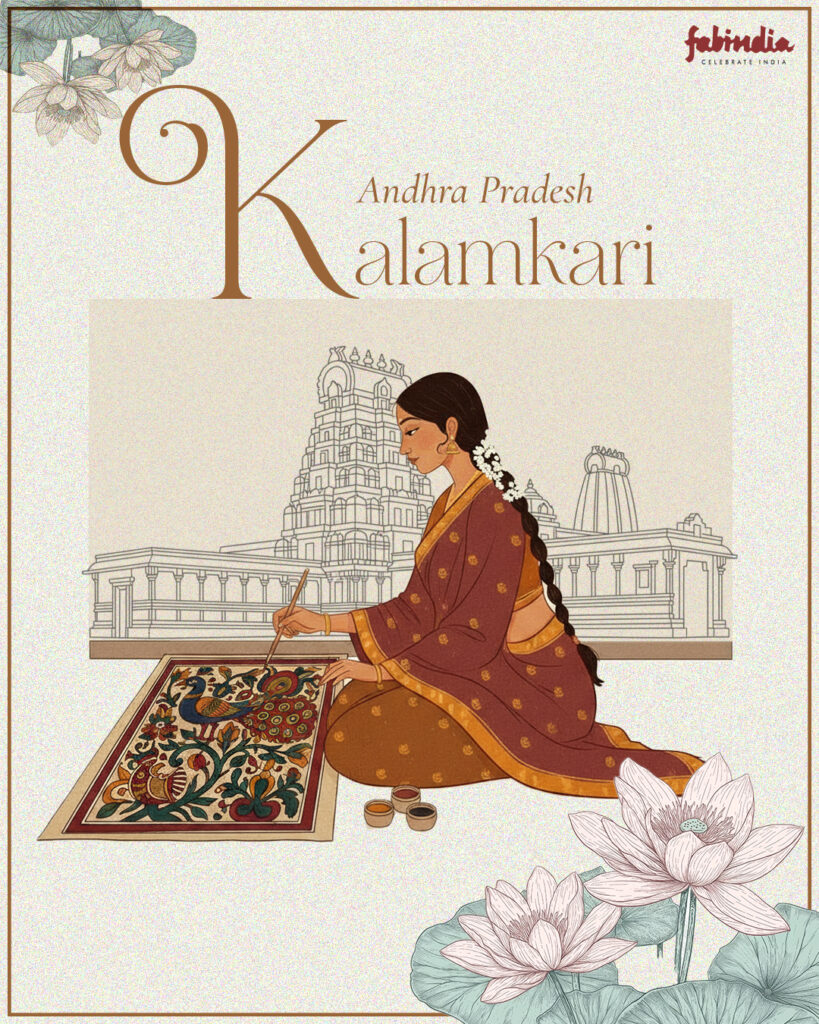
The Chemical Stratigraphy of Kalamkari
This isn’t painting; it’s a 23-step chemical reaction. Artisans treat the fabric with Myrobalan (a tannin-rich fruit) and buffalo milk to create a “reactive base.” The “black ink” is actually fermented iron filings and jaggery, which reacts with the tannins in the cloth to create a permanent molecular bond. It is a “living” art form where the colors deepen over time through oxidation.
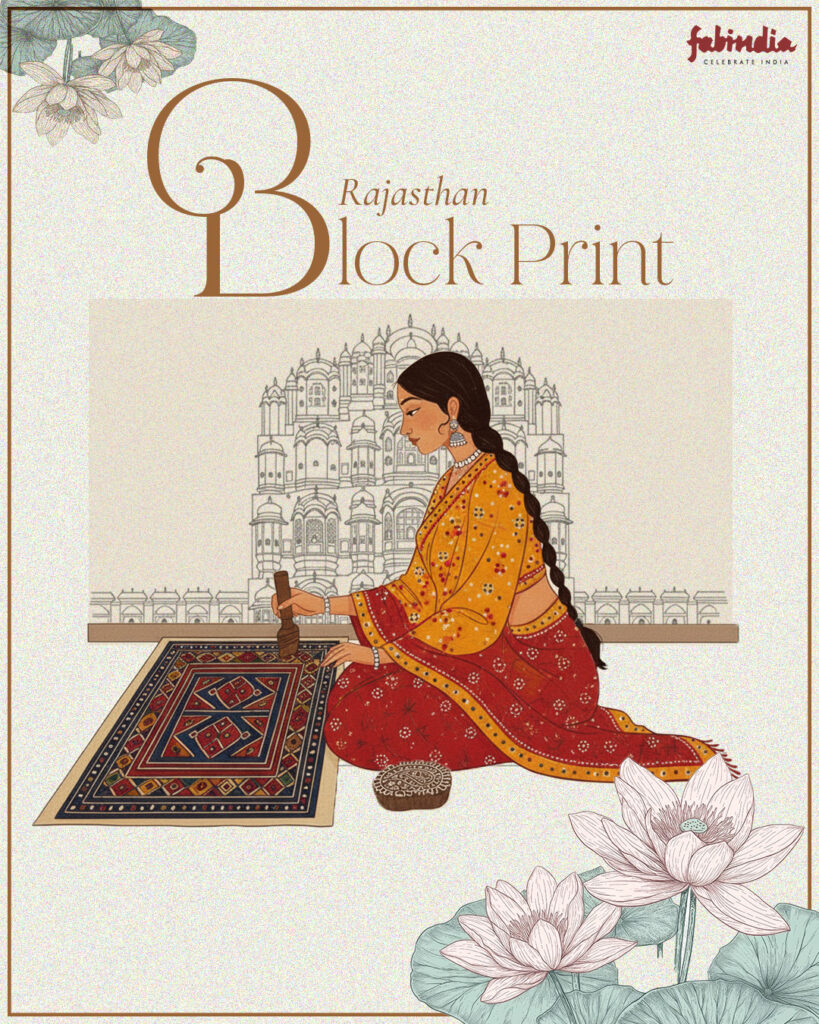
The Fluid Dynamics of Block Prints
Whether it’s the fine-lined Sanganeri or the bold, earthy Bagru, block printing is about mastering local mineralogy. Bagru printers use Dabu, a mud-resist paste made of clay, lime, and gum. When the fabric is submerged in an Indigo vat, the mud creates a physical barrier. The result is a high-contrast “negative” image that relies on the viscosity of the mud and the PH level of the water to remain crisp.

The Mystery of Bidriware
Bidriware is one of the most metal-heavy flexes in history. It involves a zinc-copper alloy (95% zinc, 5% copper) inlaid with pure silver. The “magic” happens in the final step: the object is rubbed with soil from the Bidar Fort. This specific soil, rich in oxidizing nitrates and sheltered from sunlight for centuries, reacts with the copper-zinc base to turn it a matte, obsidian black, while the silver remains untouched. It’s a natural passivation process that scientists are still studying today.
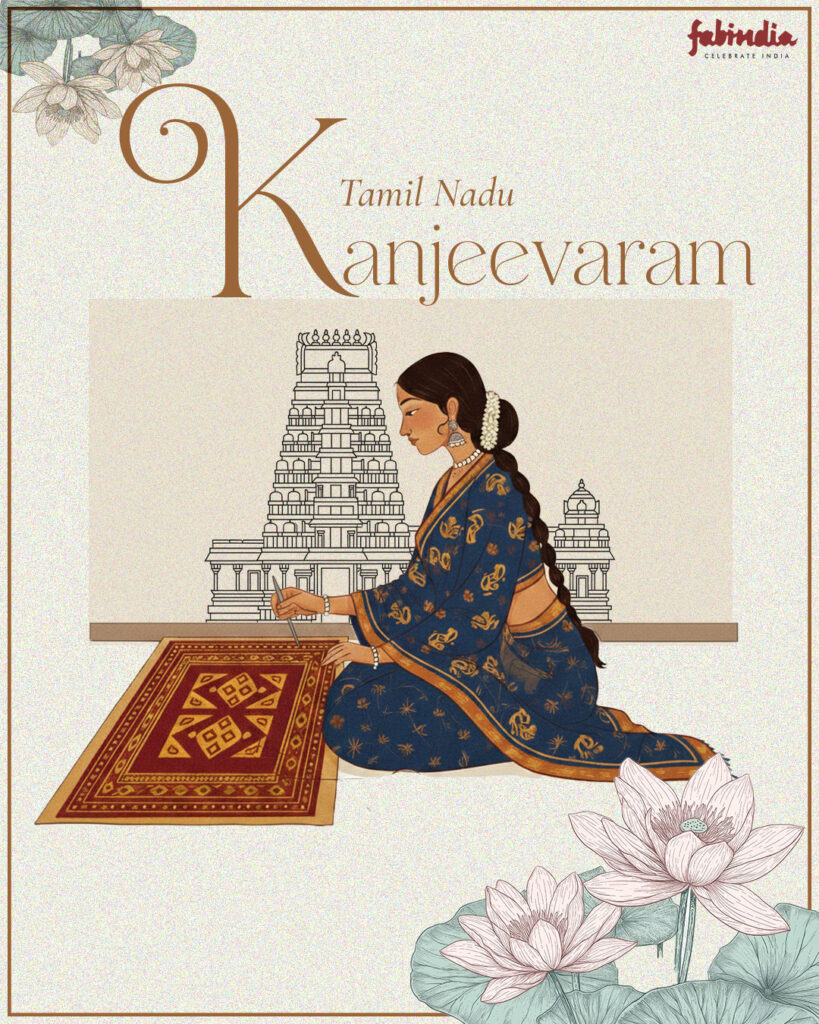
The Tensile Architecture of Kanchipuram Silk
A Kanchipuram sari is the “heavy armor” of the textile world. It uses a “Three-Ply” (Murukku Pattu) technique where three silk filaments are twisted with a silver wire, which is then electroplated with 22-karat gold. The structural secret is the Korvai technique: the border and the body are woven as separate entities and then “interlocked” with a zigzag joint. This joint is so strong that if the sari tears, the border still won’t budge. It is literally built to last for 100 years.
Each region developed its own artistic “accent.” Every motif was a compressed file of cultural memory. When you hold a handcrafted item, you aren’t just holding material; you are holding a biography of a community that refused to be erased by the industrial revolution.
Culture You Can Touch
India is a chaotic mosaic of cultures, and handicrafts are the structural glue. If the modern world is obsessed with “Software as a Service” (SaaS), Indian craft is “Culture as a Substance.” It is a tangible heritage you can wrap around your shoulders or set on your table. These objects are sensory anchors in a floating world.
A Paithani or a Patola pattern can tell you its exact GPS coordinates! The double-Ikat of Patan Patola saris, for instance, requires such mathematical precision in dyeing the warp and weft threads that it’s often called the “Dream Weaver’s” craft.
A Channapatna toy isn’t just a plaything; it’s a tactile introduction to organic chemistry. Finished with lacquer and polished with medicinal Pandanus leaves, it’s a non-toxic, sustainable interaction with folklore.
A hand-knotted carpet is a time-lapse photograph. With knot counts reaching hundreds per square inch, the rug captures the literal passage of months. It carries the “irregularity” of the human hand, what the Japanese call Wabi-Sabi, reminding us that beauty lies in the imperfections.
The Final Cut: Why the Rebel Wins
Where museums offer static stories behind glass, handicrafts are a moving gallery steeped in history. They are functional masterpieces that traverse homes, cities, and generations. They don’t just sit there; they age and they absorb the energy of the rooms they inhabit.
In an age of “planned obsolescence,” where your phone is designed to die in three years, the handcrafted object is designed to last generations. That is the ultimate rebellion. It is an investment in the permanent over the popular.
The machine gives you what you want. The artisan gives you what you didn’t know was missing: a soul.