



I have stood in this corner for decades, longer than the ivory paint on these walls, and longer than some of the people who now walk past me. I am an almirah: tall, teak, and unapologetically old-fashioned. While the world outside has sped up, I have remained a quiet witness to the rhythmic evolution of an Indian home.
The Arrival of a Bride
I arrived when the house still smelled of fresh lime wash. It took two men, straining under my weight, to settle me into this corner. I remember a young woman standing at the doorway, her bangles chiming as she adjusted her veil. She was the new bride, and I was her first confidant.
The first items she entrusted to me were her wedding silk saris, folded with trembling hands and tucked away in crisp newspapers. In that moment, I ceased to be just furniture; I became an anchor in the shifting tides of a traditional Indian interior.

I Hold the Breath of a Family
In an Indian home, decor isn’t about “looks”, it’s about layers. Over the years, my shelves have curated a chaotic, beautiful museum of a life well-lived:
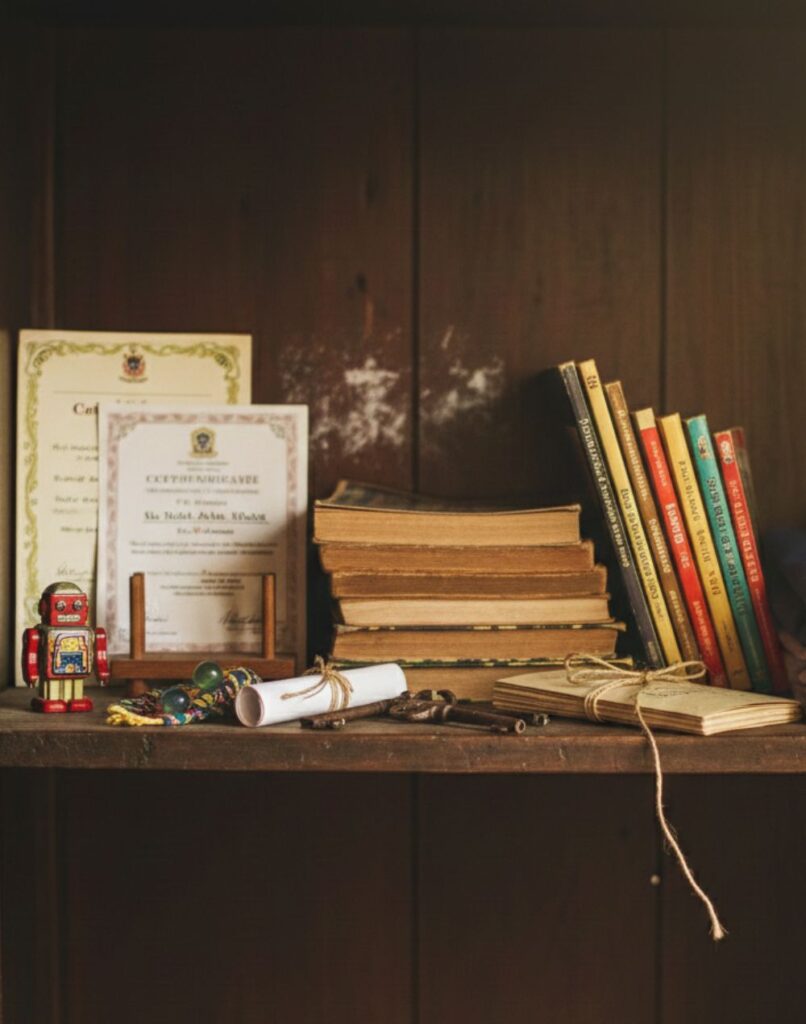
The Scent of Growth
School uniforms that smelled of chalk dust and afternoon sweat, textbooks and novels, toys and certificates kept carefully with pride.
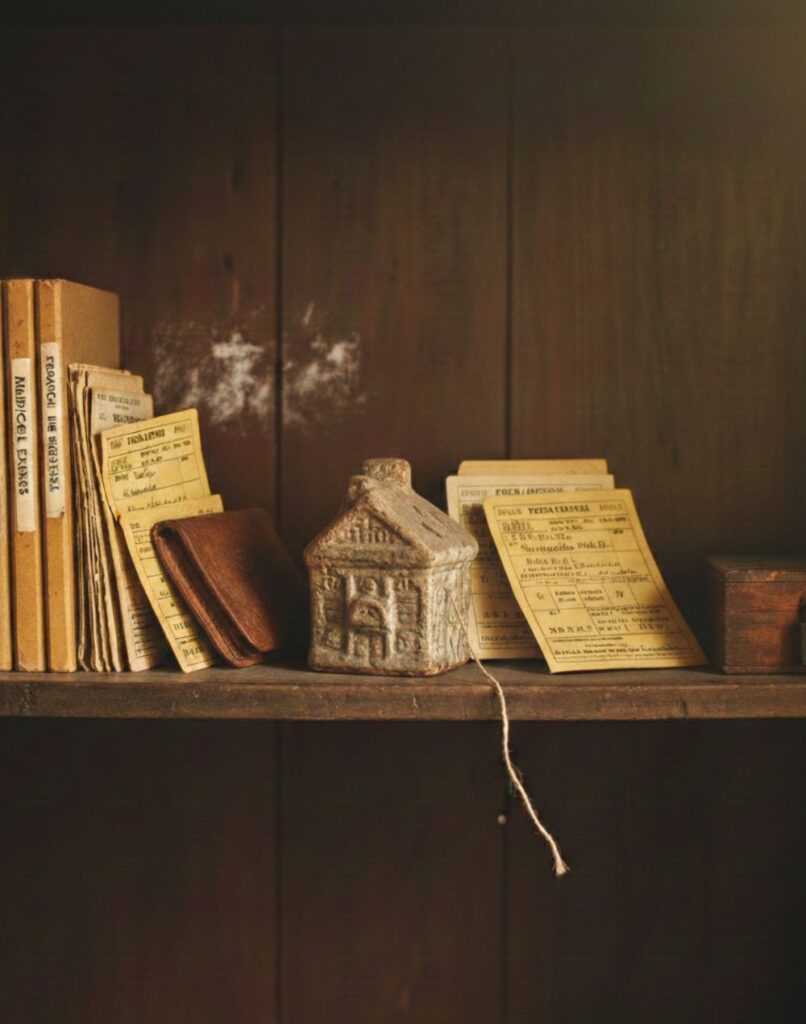
The Weight of Worry
Folders of financial, paperwork and yellowing ration cards kept “just in case.”
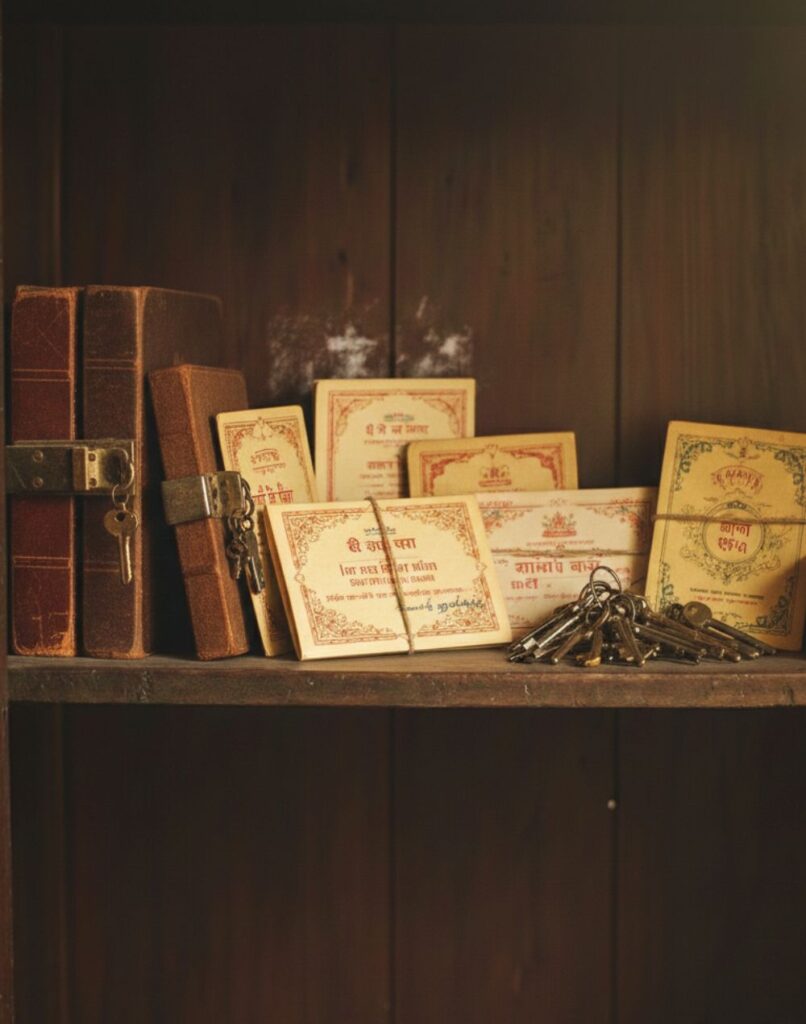
The Mindless Hoard
Old diaries with rusted locks, spare keys to boxes long lost, and bundles of wedding cards from ceremonies that happened twenty years ago.
My surface is etched with scratches, but I don’t see them as damage. They are the calligraphy of a family. My brass handles are polished bright not by chemicals, but by the natural oils of the same hands touching them, day after day, for over 4 decades.
When “Modern” Came Knocking
One summer, the air changed. The house began to shed its skin. The walls turned a soft, muted grey; the floors became cool, seamless stone; and the wires that once snaked across the ceiling vanished into the masonry.
Designers moved through the rooms with measuring tapes. They spoke of cupboards that would disappear into the walls, “invisible storage,” they called it.
I watched from my corner, feeling my heavy wooden frame. I wondered if there was still room for a giant like me in a world that wanted things to vanish.
The Silent Decree
The matriarch, the same woman who had once tucked her wedding silks into my belly, watched the renovation in silence. When the designers pointed toward my corner, she simply placed a hand on my scarred wooden door.
This one stays, she said.
There was no debate. She knew that while the new “invisible” cupboards were for the life the family wanted people to see, I was for the life they actually lived. She knew that one day, her grandchildren would open my heavy doors and find her entire history folded neatly inside.
The Soul of the Indian Home
This is the secret of Indian interior design: we don’t choose between the old and the new. We let them live together.
Today, the house is sleek and airy. The light falls differently now, reflecting off polished surfaces and modern art. Yet, I remain. I am the bridge between the digital age and the era of handwritten letters.
I may be old-fashioned, but I am the heartbeat of this hallway. I continue to hold the weight of generations while the house moves forward- calm, beautiful, and forever rooted.