

I have lived in Delhi all my life, yet this city never fails to surprise the culture and craft lover in me.
When most Delhiites look for genuine handicrafts, they head straight to the bustling lanes of Dilli Haat or the stately emporiums at Baba Kharak Singh Marg. But let me tell you a secret: there is another magnificent cultural haven tucked right into the heart of the city- The Kunj.
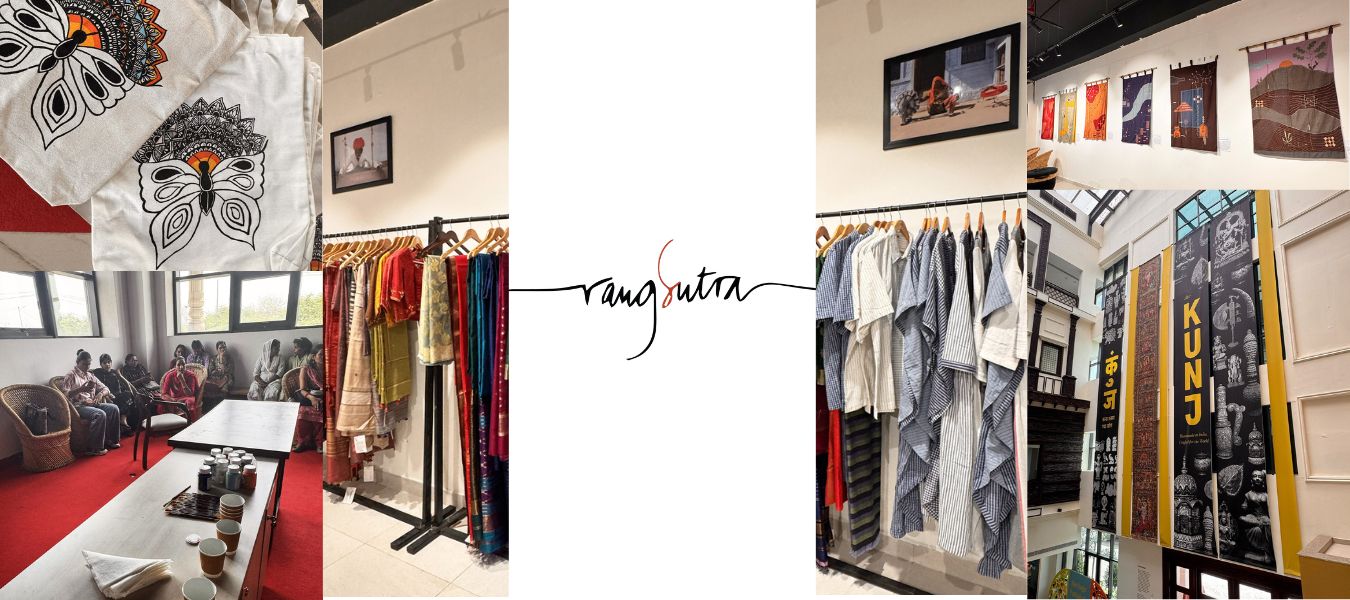
Hosting a myriad of exhibitions and home-grown brands, The Kunj is a space where India’s rich heritage is preserved, promoted, and given room to breathe. Recently, I spent a day there attending a very special exhibit: ‘Apni Kala, Apni Awaaz’ (Our Art, Our Voice), celebrating 20 incredible years of Rangsutra, supported by the HCL Foundation.
The Heartbeat of Rangsutra: A Story That Inspires
Before diving into the exhibit, you have to understand the story behind the stitches. Rangsutra isn’t just a brand; it’s one of India’s most successful micro-enterprises where the artisans themselves are shareholders- and 80% of them are rural women.
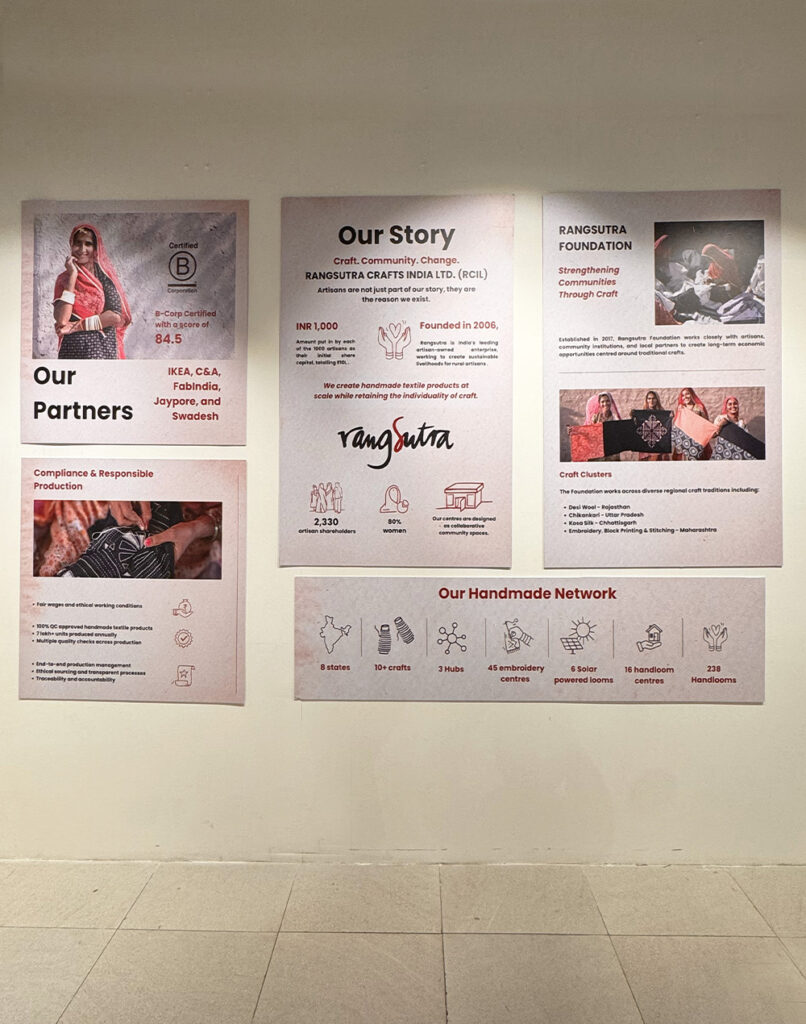
What started with a handful of craftspeople in Bikaner, Rajasthan, has blossomed into a collective of over 2,000 artisans spanning nine states. It is a beautiful ecosystem of empowerment, equity, and immense talent. Being a global force, they are also B.Corp certified, which is a grounding testament to their efforts.
Exploring the Exhibit: A Three-Part Journey
Owing to the unique nature of Rangsutra’s journey, the exhibition was thoughtfully divided into three distinct chapters. Everywhere I turned, there was something new to discover.
1. Stories Stitched in Thread: The Textile Wall Art
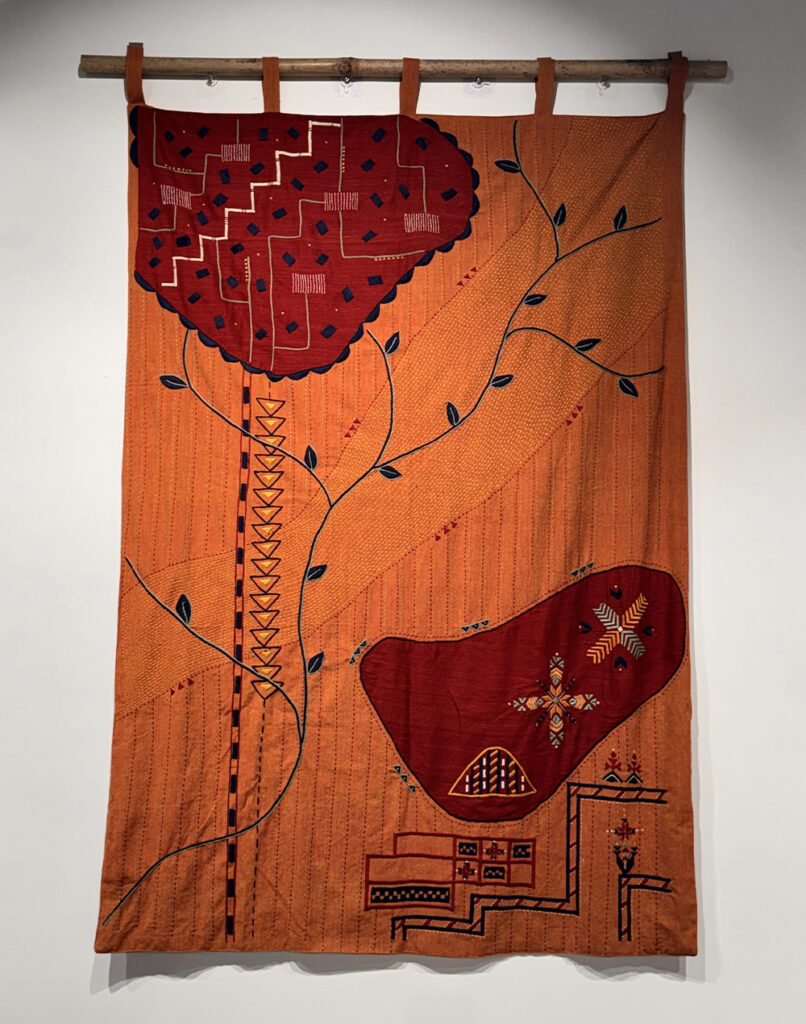
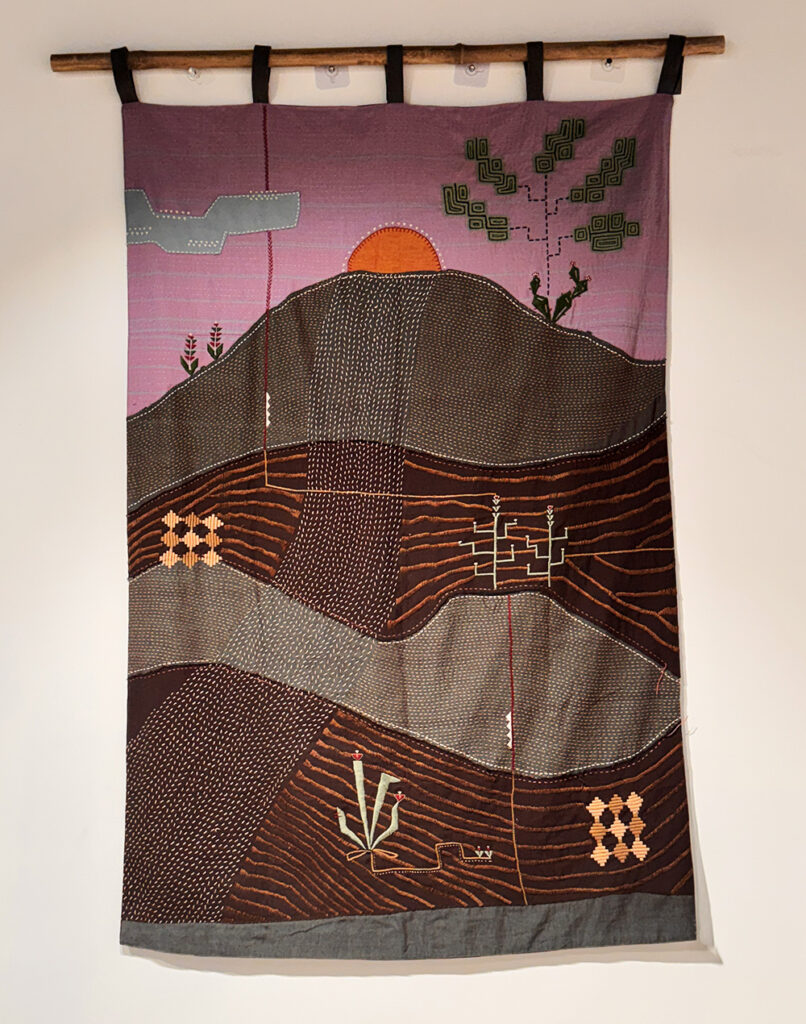
The exhibition opened with six mesmerizing pieces of textile wall art, hand-embroidered by the artisans. These weren’t just decorative panels; they were visual diaries. Each piece narrated stories of the desert, the evolution of their craft, and the highs and lows of their 20-year journey. You could practically feel the thought, time, and effort woven into every single inch.
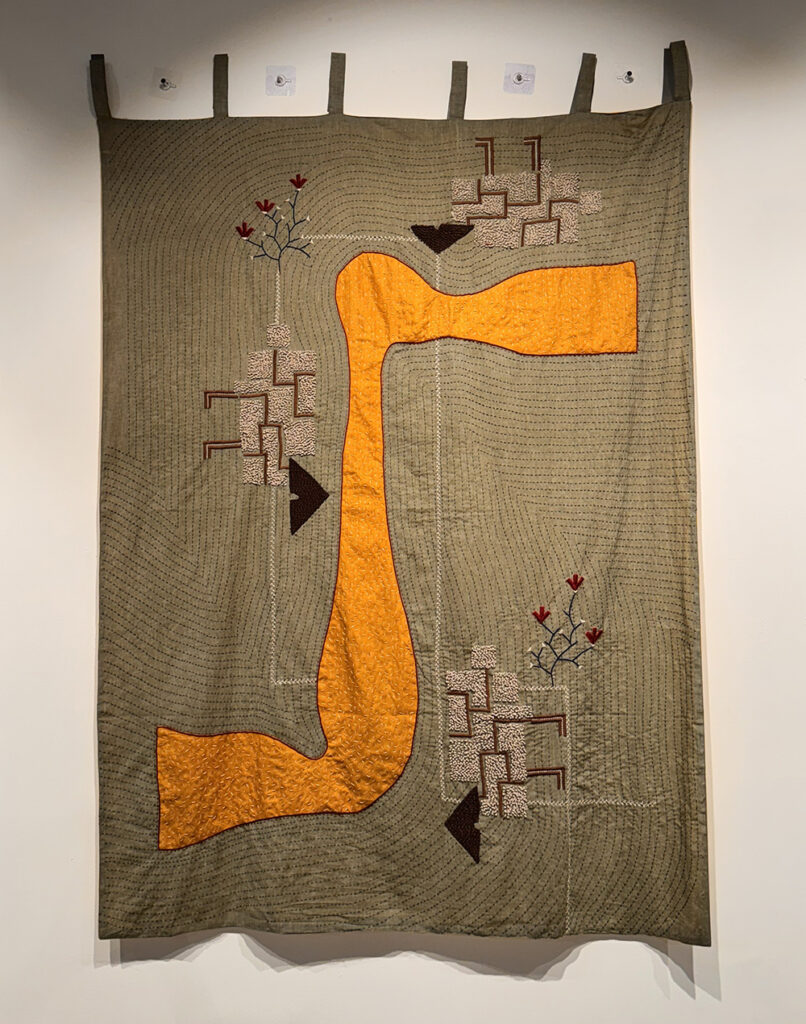
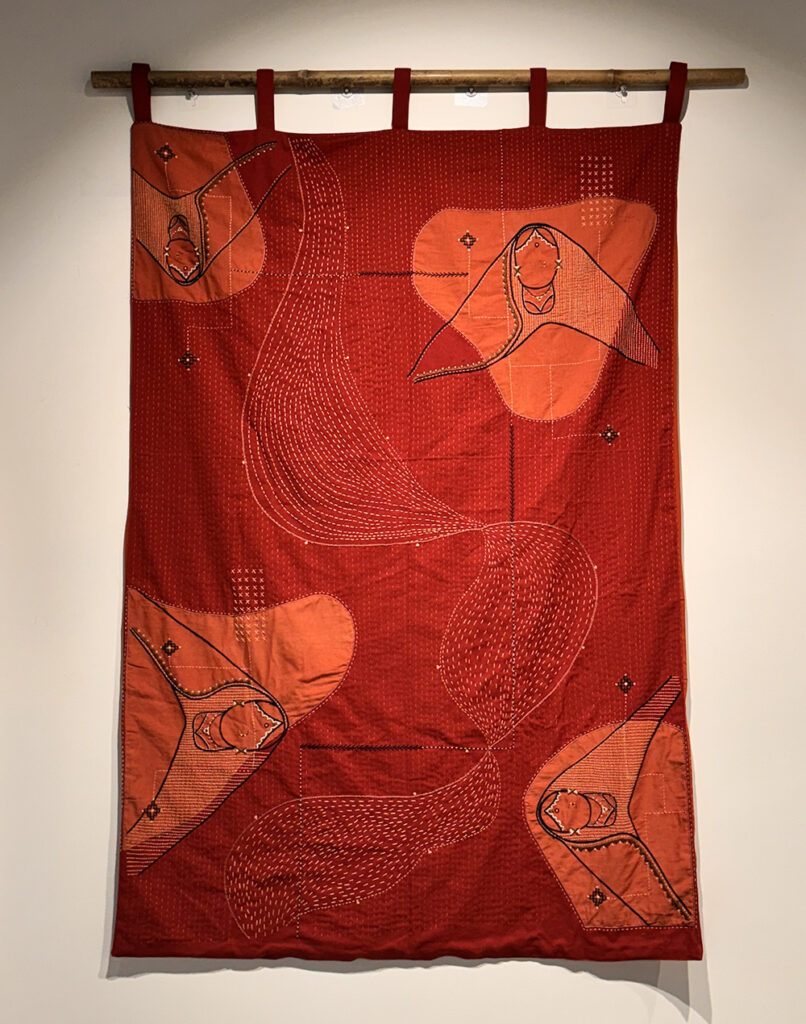
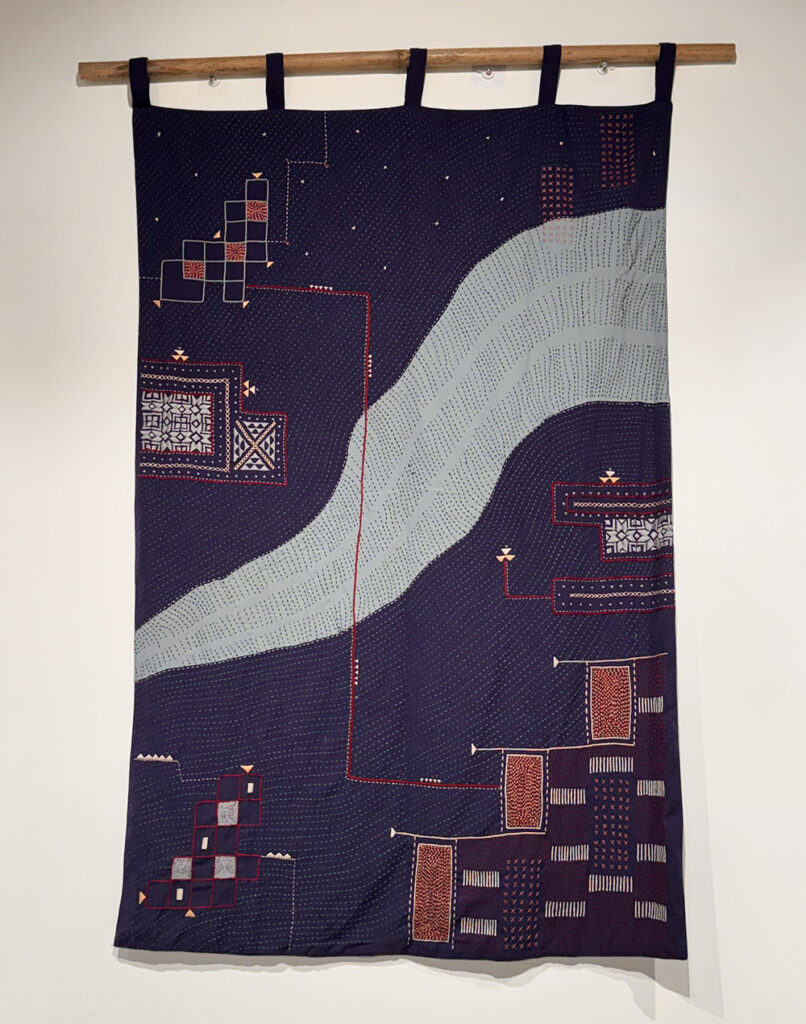
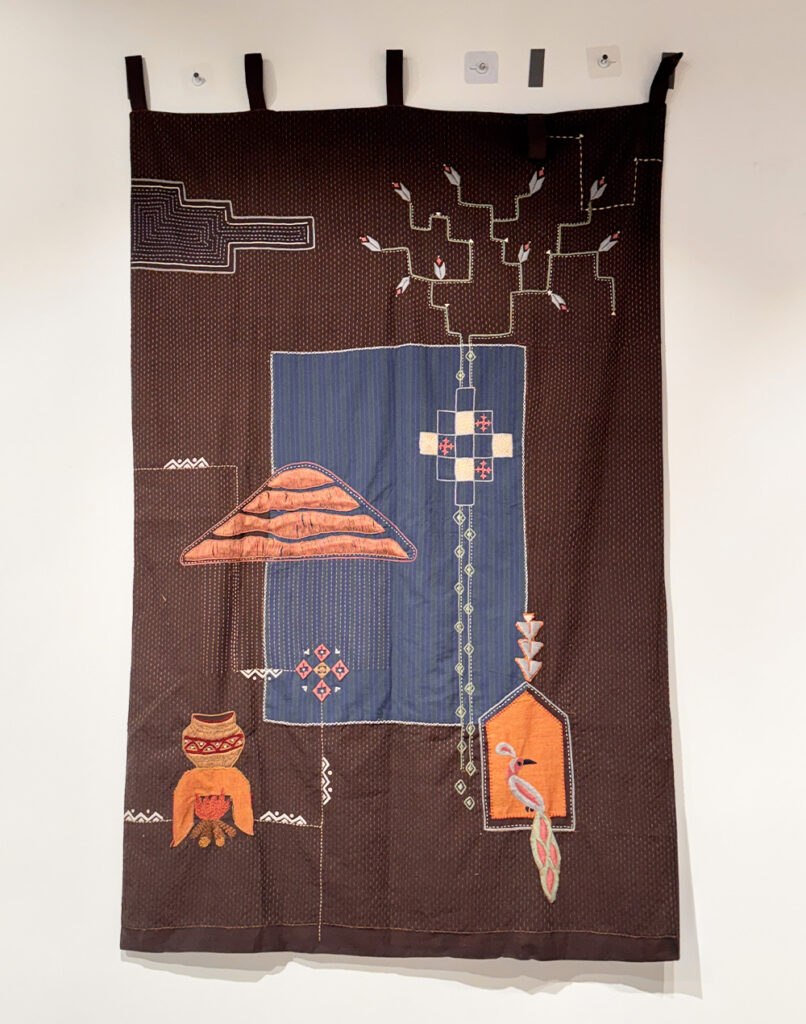
2. The Capsule Collection: A Beautiful Metamorphosis
Rangsutra has always been known for its exquisite work with cotton, but for their 20th anniversary, they decided to step completely out of their comfort zone. Enter: The Silk Experiment.
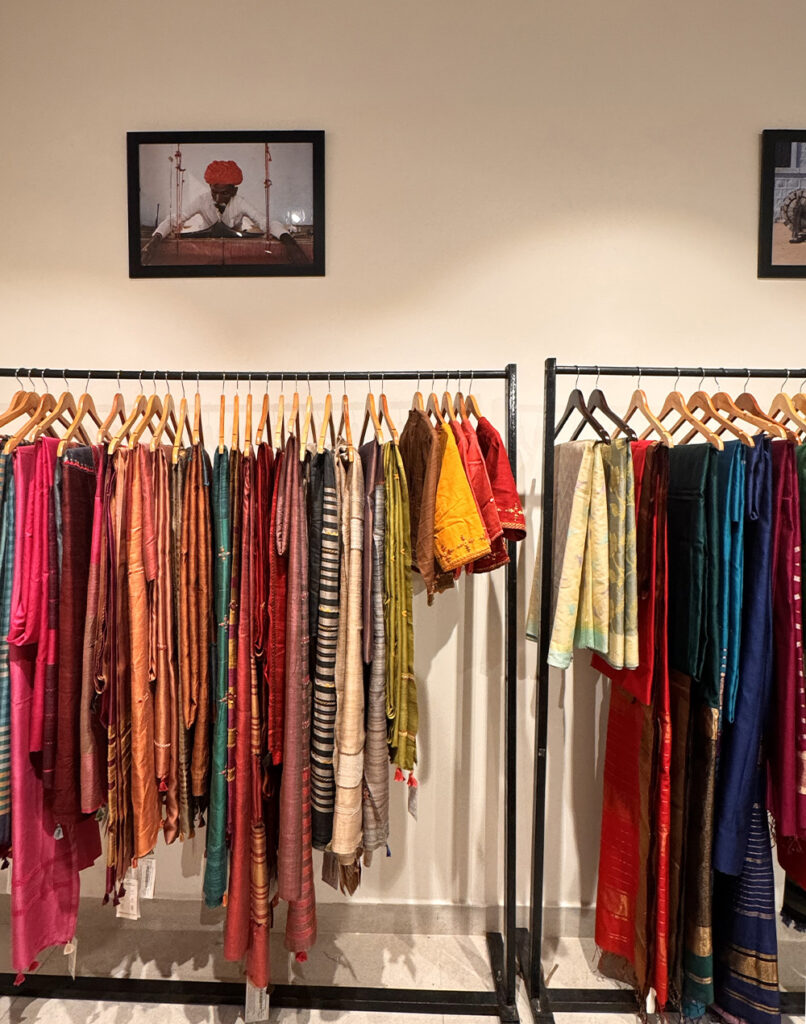
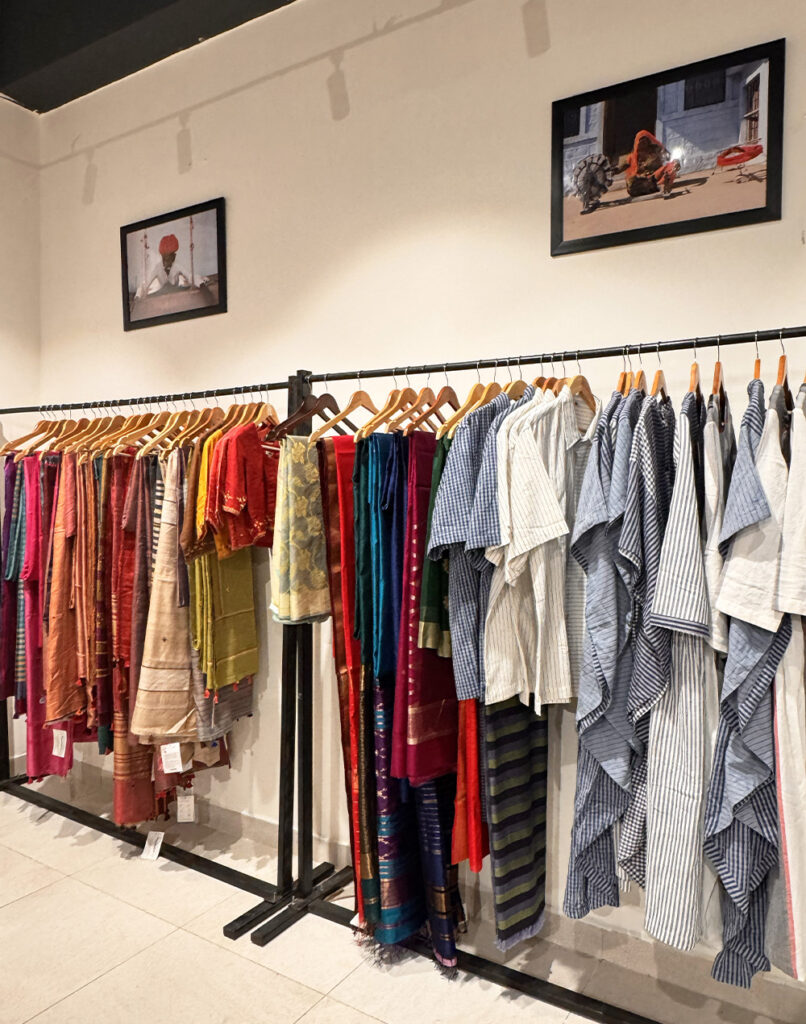
The Tussar Saris: Sourcing raw Tussar silk saris from handloom weavers in Eco Tussar, Bhagalpur, Bihar, Rangsutra’s artisans adorned them with intricate desert embroidery. Because each piece is handmade, no two saris are identical. If you buy one, you own the only piece of its kind in the entire world.
The Collaboration: Complementing this collection, the HCL Foundation displayed silk saris lovingly created by the artisans they support and train, adding another layer of grace to the display.
Next-Gen Craft: It wasn’t all traditional attire, though! Rangsutra proved they have a perfect grasp on the modern consumer mindset by launching asymmetrical dresses, contemporary tops, shirts, and modern kurtas. It was a masterclass in balancing traditional motifs with contemporary silhouettes.
3. Interactive Workshops: Where Knowledge Changes Hands
The most heartwarming part of the exhibit was the series of interactive craft workshops. Rangsutra and the HCL Foundation created a space for genuine dialogue, skill-sharing, and a deeper appreciation for the labour behind handmade textiles. Visitors could try their hand at everything from block printing and needle felting to natural dyeing and crochet.
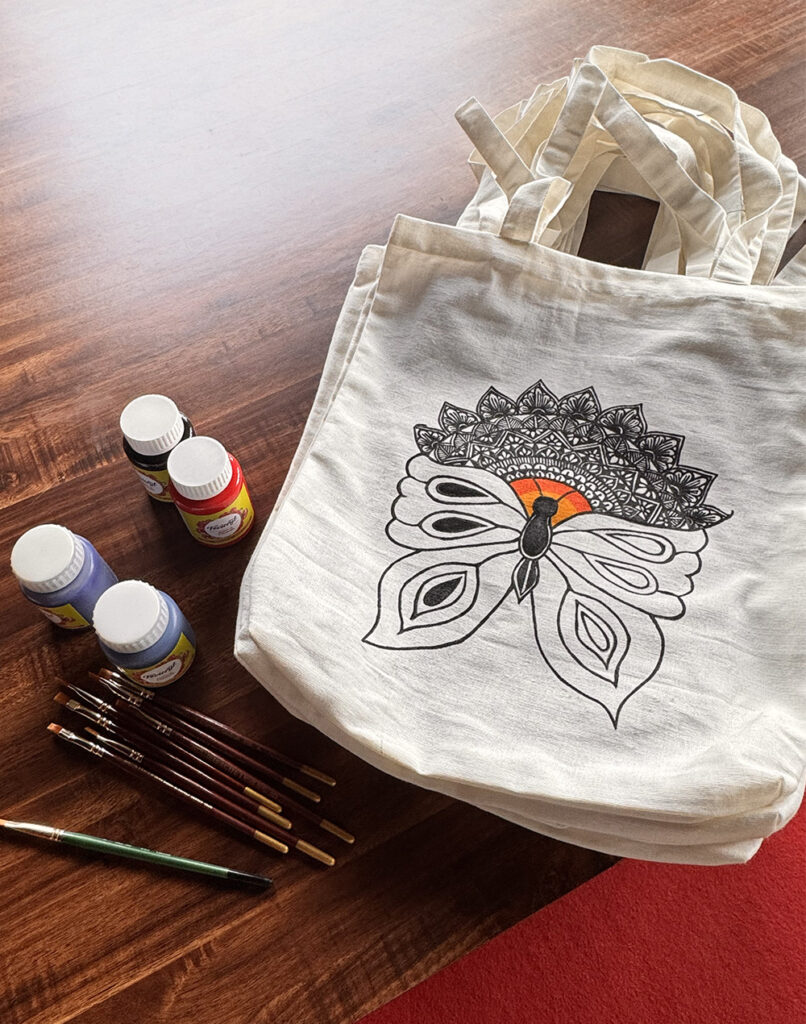
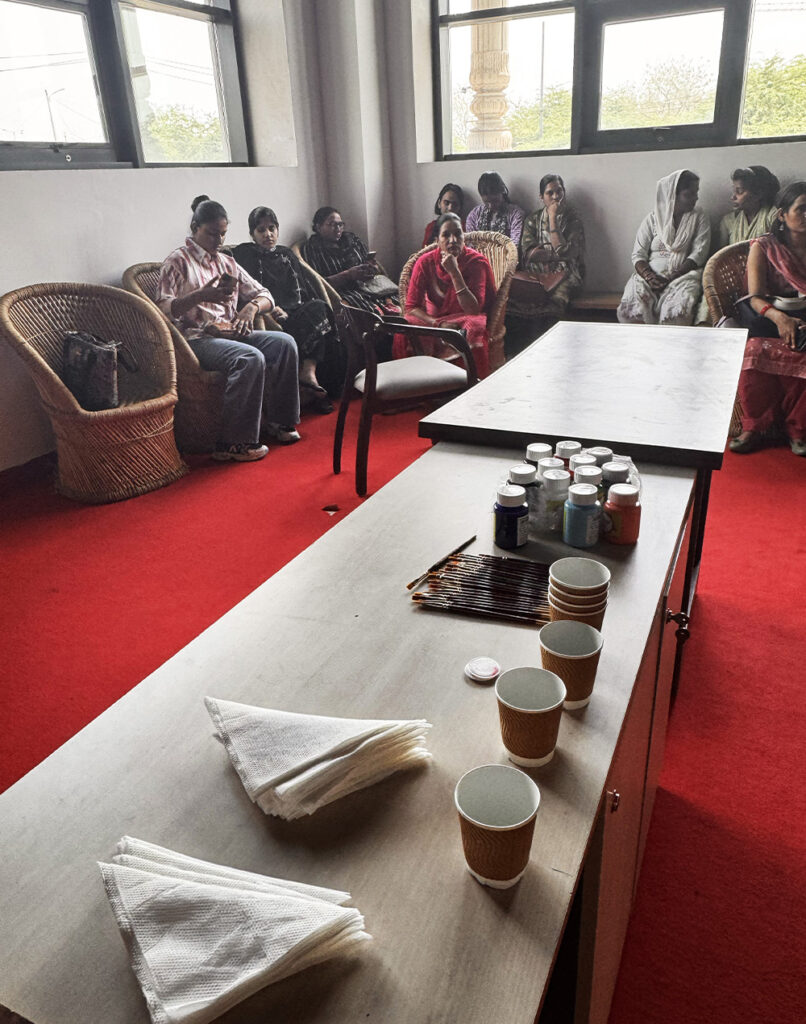
I had the absolute privilege of sitting in on the Madhubani painting workshop. Here, HCL Foundation artisans were training trainee artisans from the Shiv Nadar Foundation.
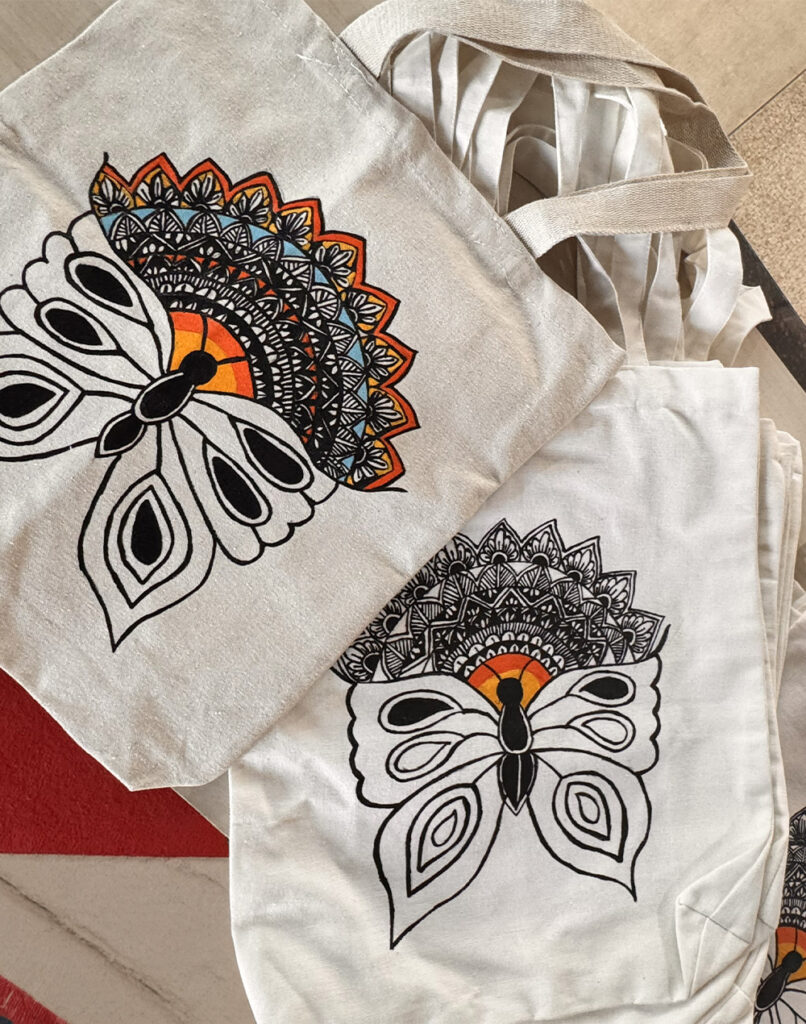
Watching them interact was pure magic. The eagerness to teach, the humility to learn, and the shared dedication to staying true to the art form filled the room with an undeniable warmth. By the end of it, mundane tote bags were transformed into vibrant works of art featuring stunning butterfly designs.
The Future of Handmade
While we are seeing a global wave of appreciation for “handmade” items, it is brands like Rangsutra that are doing the real, grassroots work. They aren’t just preserving a dying craft; they are preserving the communities behind them and giving artisans the dignity, equity, and global platform they rightfully deserve.
My visit to The Kunj left me inspired, grounded, and incredibly proud of the quiet cultural revolutions happening right here in our backyard.
Fabindia and Rangsutra
Rangsutra and Fabindia share a deeply rooted, long-standing strategic partnership built on the mutual values of artisan empowerment, heritage preservation, and ethical retail. As one of Rangsutra’s earliest strategic institutional investors, Fabindia provided the foundational financial backing and market guidance necessary to help the artisan-owned collective scale its operations from a grassroots level. Today, Rangsutra serves as a vital supply-chain partner for Fabindia, funneling authentic hand-loom textiles and intricate traditional embroidery from its rural clusters – comprising over 2,000 artisan shareholders – straight to Fabindia’s nationwide shelves. This collaborative model serves as a benchmark for sustainable fashion in India, seamlessly bridging the gap between commercial market demands and equitable rural livelihoods, while ensuring that traditional Indian craftsmanship thrives on a global stage.
To read more about Rangsutra, visit https://rangsutra.com/pages/our-story