

We live inside a quiet obsession with the flawless. Machine-cut edges, symmetrical lines, colors that hold the same temperature from one end to the other.
But somewhere along the way, there is another way of seeing, a way when a slight variation isn’t a defect. It’s a signature. It’s proof that a human being was there, breathing and creating.
And that is a quieter, deeper beauty when a motif sits a millimeter off, an indigo patch that seeps much deeper into the cloth, a kalamkari line that wavers because the pen follows the grip of the artisan. These are not flaws, these are weather reports. They tell you the dye took differently because the sun shone brighter that day, that the worker’s hand shook as he was joyful, tired, or grieving and the cotton was thirstier in one season than the other.
And all of this is something that a machine cannot replicate.
Embracing Variations
When you put on a piece with variation, you are wearing the only one of its kind in the world. And suddenly you are no longer just a buyer of the garment, but a curator of art. The errant thread is the heartbeat of the garment. While perfection is a machine’s goal, building character is the exclusive domain of humans.
The Crafts Philosophy
We can see this thinking most clearly in Indian textiles.
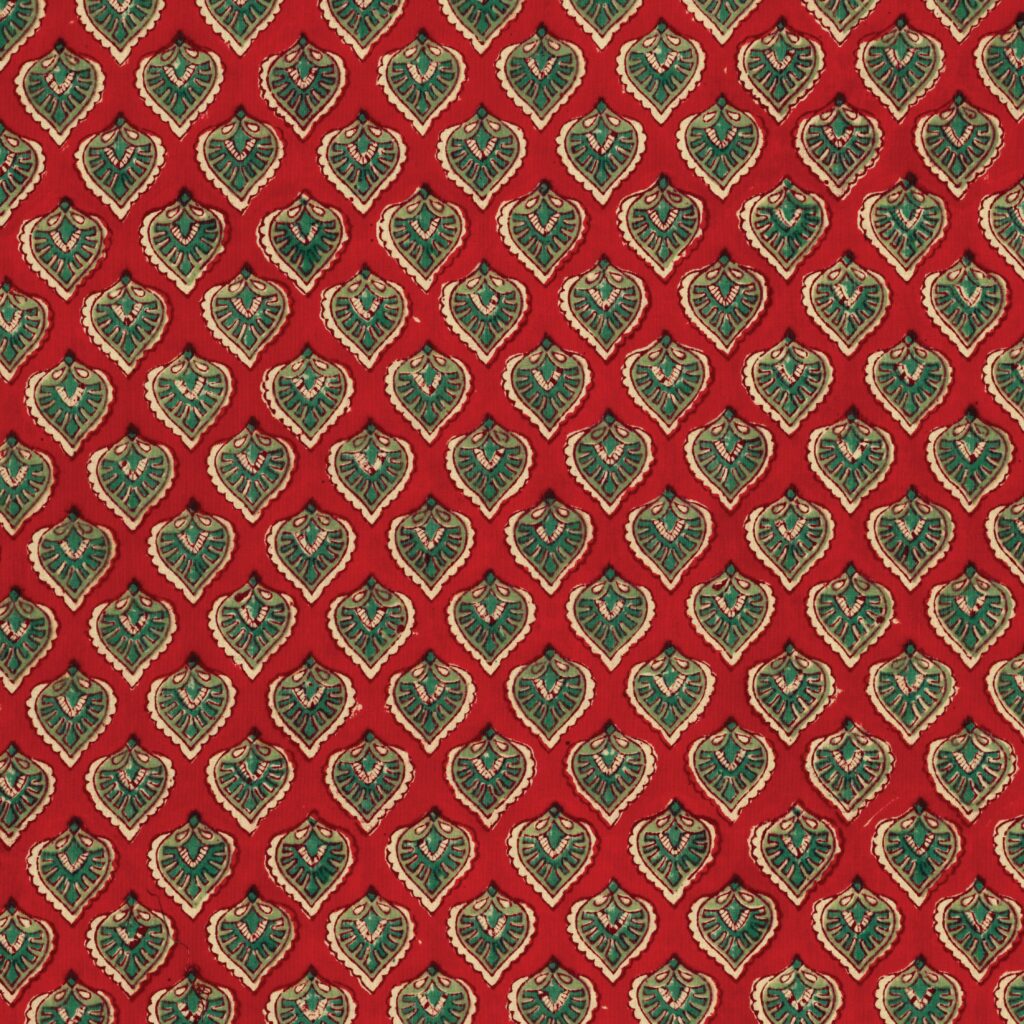
Take Ajrakh, an old craft from the deserts of Kutch and Sindh. The artisan individually presses each carved wooden block into resist dyes and then on the cloth. It moves through sixteen or more stages of washing, printing, and dyeing. Every press is by human hand, meaning that it is never fully precise, and that small unevenness is what gives each yard its life.
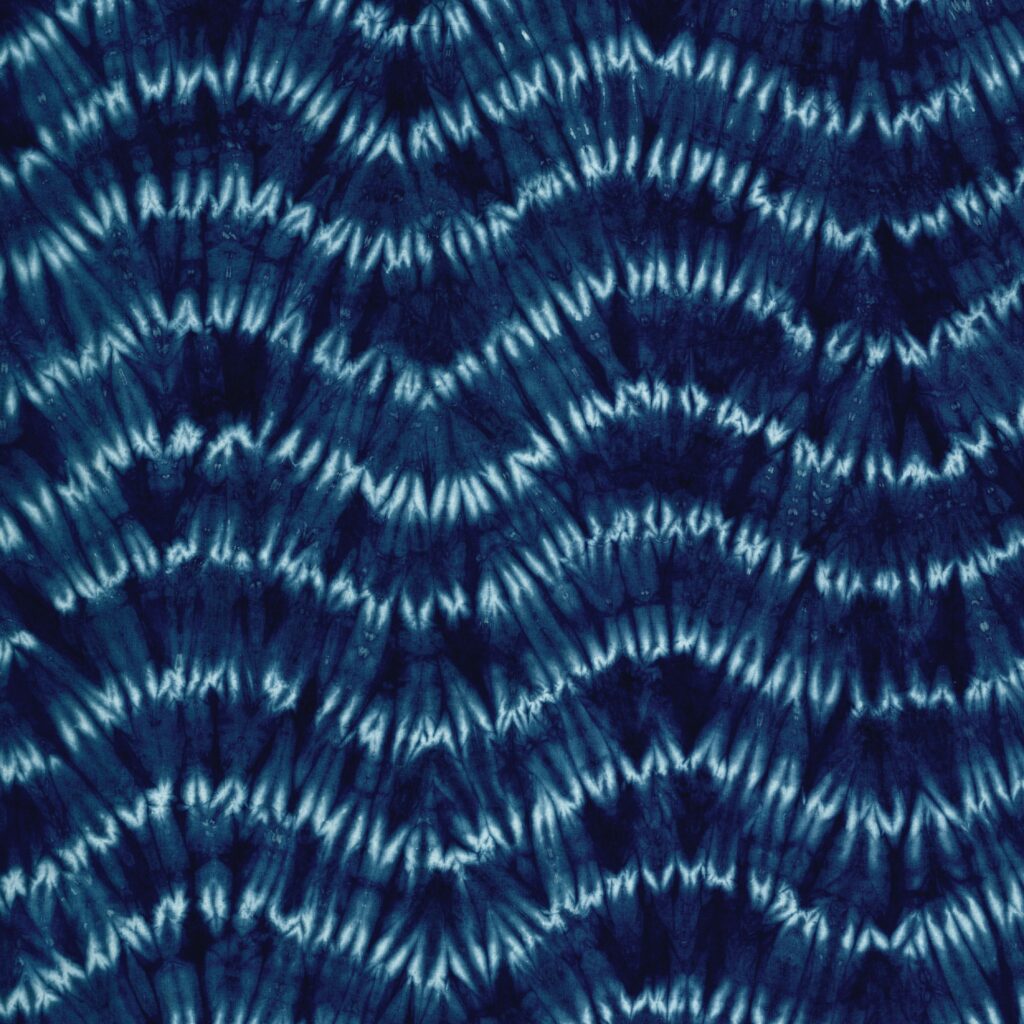
The same is true of Indigo, which is a living dye that is fermented, fed, and watched. The depth of blue depends on the number of dips, the oxidation time, the weather, and the mood of the vat that particular week. No two yards of indigo cloth are ever the same shade.
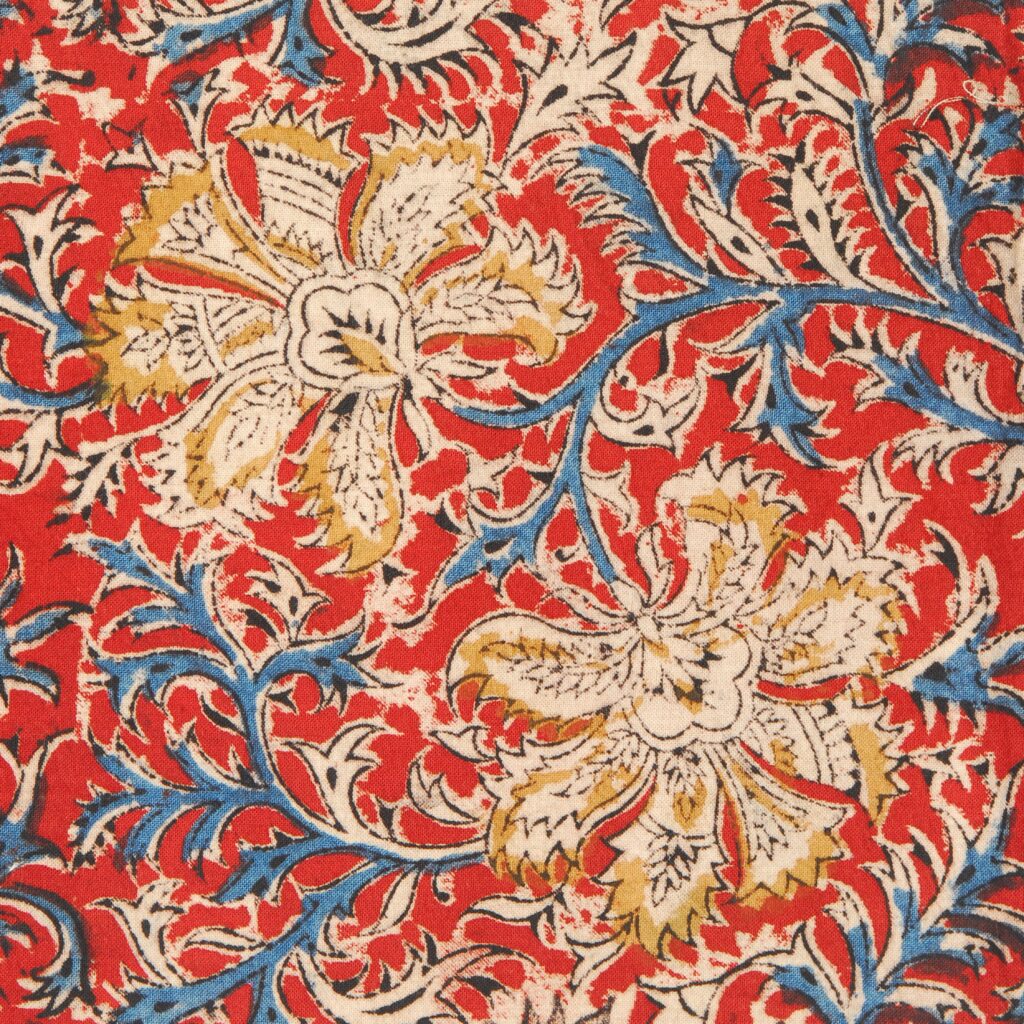
Move south and we find Kalamkari hand-painted by artisans in Andhra Pradesh. Every motif and design is drawn freehand with a bamboo kalam and natural dyes. Every line carries the intentions of the artist’s hand, which is why any two pieces feel like different conversations.
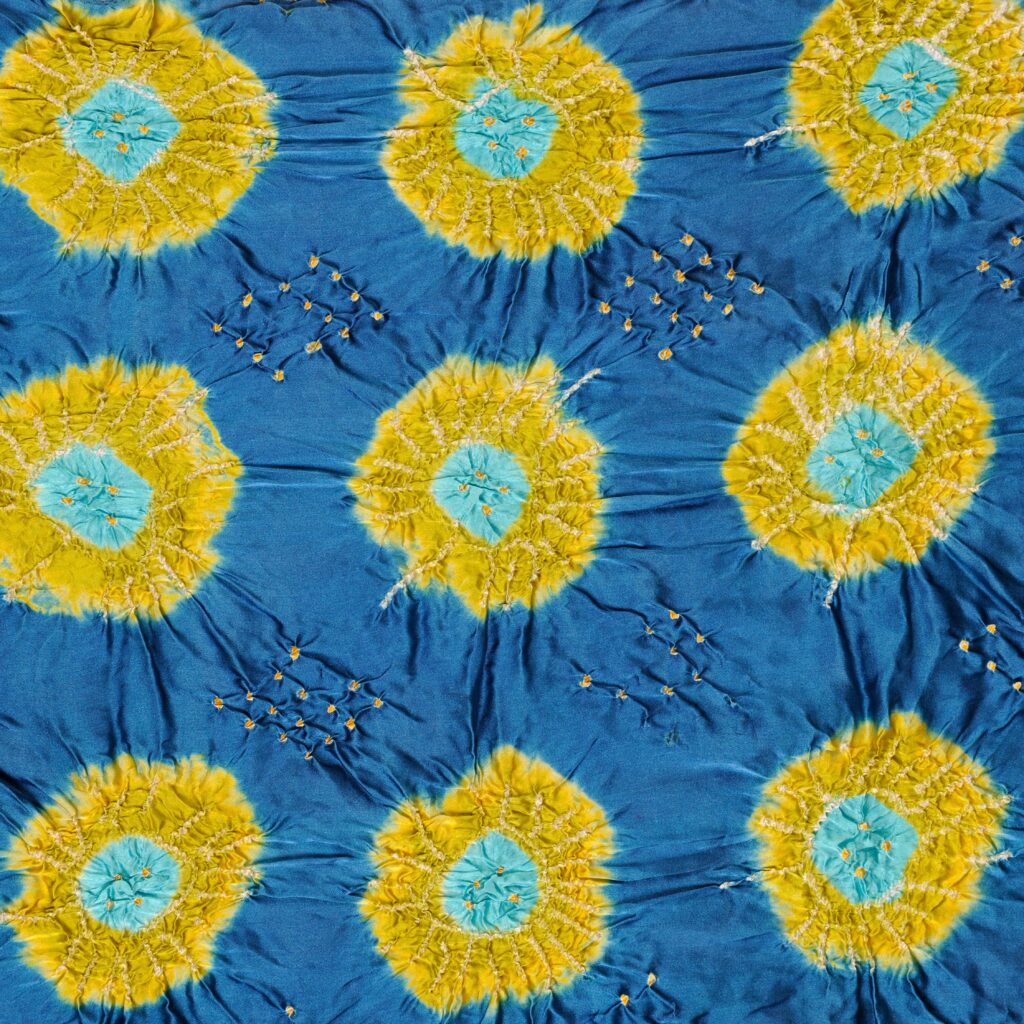
And in Tie and Dye traditions like Bandhani or Lehariya, Shibori, the cloth is knotted hundred times by fingertips before it touches dye. The dots are never identical, and the irregularity is the very proof that a human being created it.
The World View
The Japanese have a language for this. Wabi-sabi is a Japanese aesthetic and philosophical worldview that urges us to find beauty in imperfection, impermanence, and simplicity. Kintsugi, the art of mending broken pottery with seams of gold, is not so far from the Indian instinct of mend-and-keep. Taking your broken slippers to the mochi or stitching a missing button yourself, all reflect our relationship with holding pieces that are not perfect.
An Act of Resistance
In our pursuit of the flawless, we’ve truly forgotten what it feels like to be touched by imperfection, beauty and a human hand that tells a different story. A handmade piece pushes against that forgetting, and it asks us to notice the beauty in imperfection.