


There is a certain magic woven into the fabric of India’s textile heritage. Each weave carries whispers of its origin, shaped by centuries of craftsmanship, culture, and quiet dedication. A saree is never just a garment. It is a story told through threads, motifs, and textures that reflect the land it comes from. In a world that often moves too fast, these handwoven traditions offer a moment of pause, inviting you to appreciate detail, artistry, and timeless elegance.
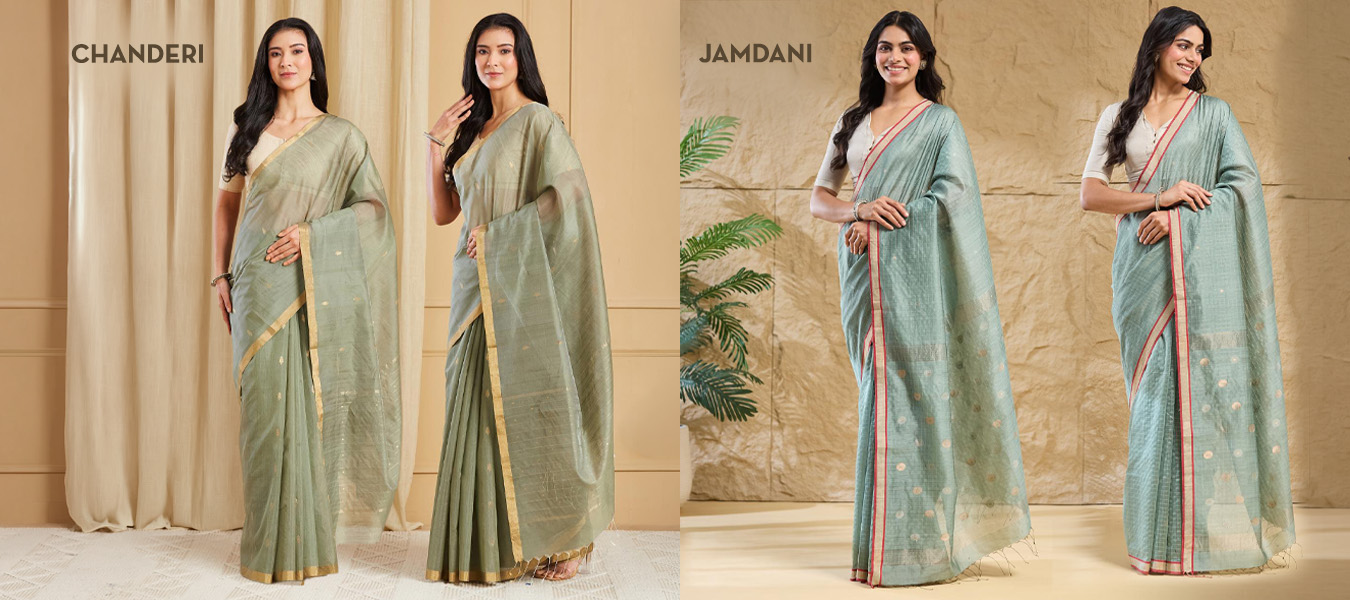
Among the many iconic weaves that define Indian fashion, two stand out for their delicacy and heritage appeal. Chanderi and Jamdani are often admired for their intricate beauty and lightweight comfort, yet they are distinctly different in their origins, techniques, and overall aesthetic. Understanding these differences allows you to choose not just a saree, but an experience that resonates with your personal style and the occasion you are dressing for.
Key Differences Between Chanderi And Jamdani
The Origin Story
Chanderi finds its roots in the historic town of Chanderi in Madhya Pradesh. Known for its royal patronage, this weave flourished under the influence of kings and nobles who appreciated its sheer texture and refined finish. Chanderi sarees are often associated with grace and understated luxury, making them a cherished part of India’s textile legacy.
Jamdani, on the other hand, originates from Bengal, with a legacy that stretches back to ancient weaving traditions. It is deeply connected to the cultural fabric of the region and is recognised as an intangible cultural heritage craft. Jamdani sarees reflect a rich artistic tradition where each motif is painstakingly created by hand, often taking weeks or even months to complete.
The Weaving Technique
The beauty of Chanderi lies in its simplicity and finesse. It is typically woven using a blend of silk and cotton, resulting in a fabric that is lightweight yet has a subtle sheen. The motifs are usually woven into the fabric using extra weft techniques, but the overall finish remains smooth and airy.
In contrast, Jamdani is celebrated for its highly intricate weaving technique. Each motif is individually handwoven into the fabric using discontinuous weft threads. This method creates patterns that appear almost as if they are floating on the surface. The process is labour intensive and demands exceptional skill, which is why Jamdani sarees are often considered works of art.
The Look and Feel
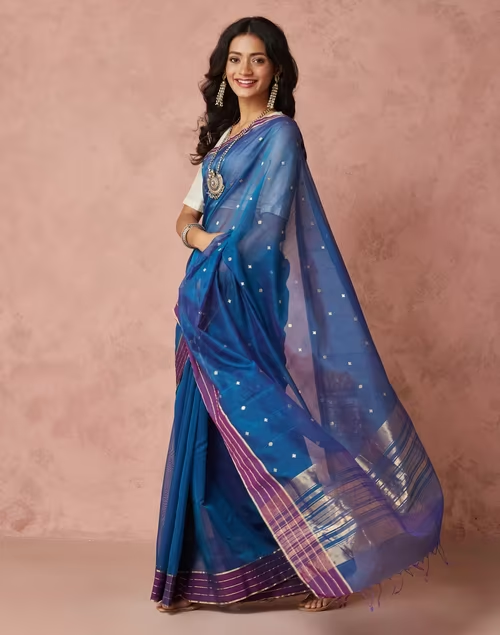
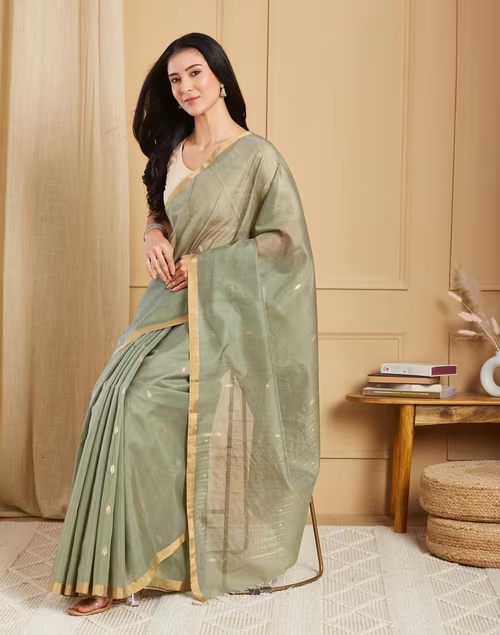
Chanderi sarees are known for their sheer texture and glossy finish. They often feature delicate motifs inspired by nature, such as florals and peacocks, along with geometric patterns. The fabric feels light and crisp, making it ideal for warm climates and long hours of wear.
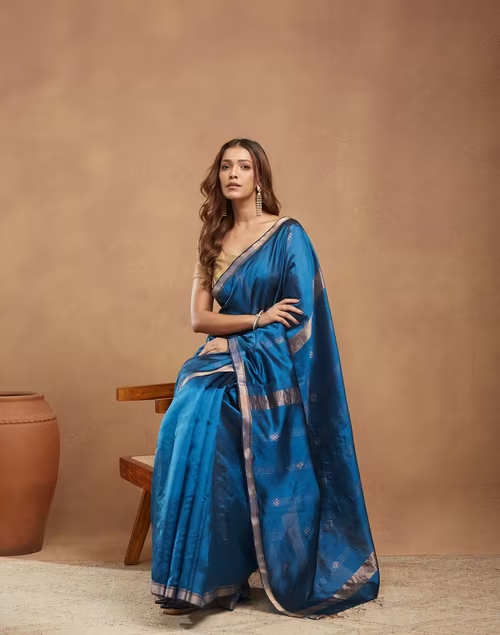
Jamdani sarees offer a more textured and intricate appearance. The motifs are usually more detailed and can range from traditional floral patterns to elaborate artistic designs. The fabric itself is soft and breathable, with a slightly heavier feel compared to Chanderi, owing to the dense handwoven patterns.
Styling and Occasions
Chanderi works beautifully for occasions that call for elegance without excess. Whether it is a daytime celebration, a formal gathering, or even a festive event, this weave offers a refined look that feels effortless. Chanderi sarees are especially suited for those who appreciate minimalism with a touch of sophistication.
Jamdani is perfect for moments that deserve a deeper sense of tradition and artistry. Weddings, cultural events, and special celebrations are ideal settings to showcase the richness of this weave. Jamdani sarees carry a certain gravitas, making them a standout choice among ethnic sarees.
Choosing Between the Two
If you are drawn to lightness, subtle sheen, and versatile styling, Chanderi is a wonderful choice. It blends seamlessly into both contemporary and classic wardrobes. If you value intricate craftsmanship and want something that feels truly unique, Jamdani offers unmatched beauty and heritage appeal.
Both weaves hold a special place in the world of traditional sarees. The choice ultimately depends on your personal preference, the occasion, and the story you wish to tell through your attire.
A Timeless Addition to Your Wardrobe
Exploring India’s weaving traditions is a journey that never truly ends. Each saree you choose becomes a part of your own story, carrying forward a legacy of craftsmanship and culture. From the delicate charm of Chanderi sarees to the artistic brilliance of Jamdani sarees, these weaves continue to inspire generations.
To discover pieces that celebrate this rich heritage, explore the extensive sarees collection at Fabindia. The thoughtfully curated range of ethnic sarees and traditional sarees brings together authenticity, comfort, and timeless style, helping you find the perfect drape for every occasion.